Decide Faster: 5 Owner Tests for Design Build vs Design Bid Build
If you need speed and single-point responsibility, design-build usually wins. If you need maximum control over final design decisions and a competitive price discovery process, design-bid-build usually wins. The real trade-off is simple: one contract and faster delivery versus two contracts, more owner oversight, and clearer price transparency through bidding.
TL;DR:
- Choosing design-build speeds up project delivery but requires clearly defined performance requirements and quick decision-making upfront.
- Design-bid-build provides full design control and transparent competitive bidding but often faces cost growth due to design gaps discovered during construction.
- The success of either method depends heavily on detailed contractual agreements covering performance, milestones, change procedures, and dispute resolution.
- Project scope maturity influences the choice: well-defined scopes suit design-bid-build, while tight schedules and complex projects favor design-build.
- Research indicates that design-build projects tend to finish faster with less schedule growth, but cost savings are inconsistent across different project types.
Table of Contents
- Comparing design-build and design-bid-build at a glance
- How design-bid-build works: phases, responsibilities, and pitfalls
- How design-build works: overlapping phases and owner oversight
- Weighing the pros and cons of each method
- How to choose: five factors and a decision checklist
- Contract and checklist items owners should never skip
- What integrated teams get right, and where owners stumble
- How we support owners choosing an integrated path
- FAQ
- Sources
Comparing design-build and design-bid-build at a glance
The two methods differ in almost every structural respect, and those differences drive how much control, speed, and price certainty you get.
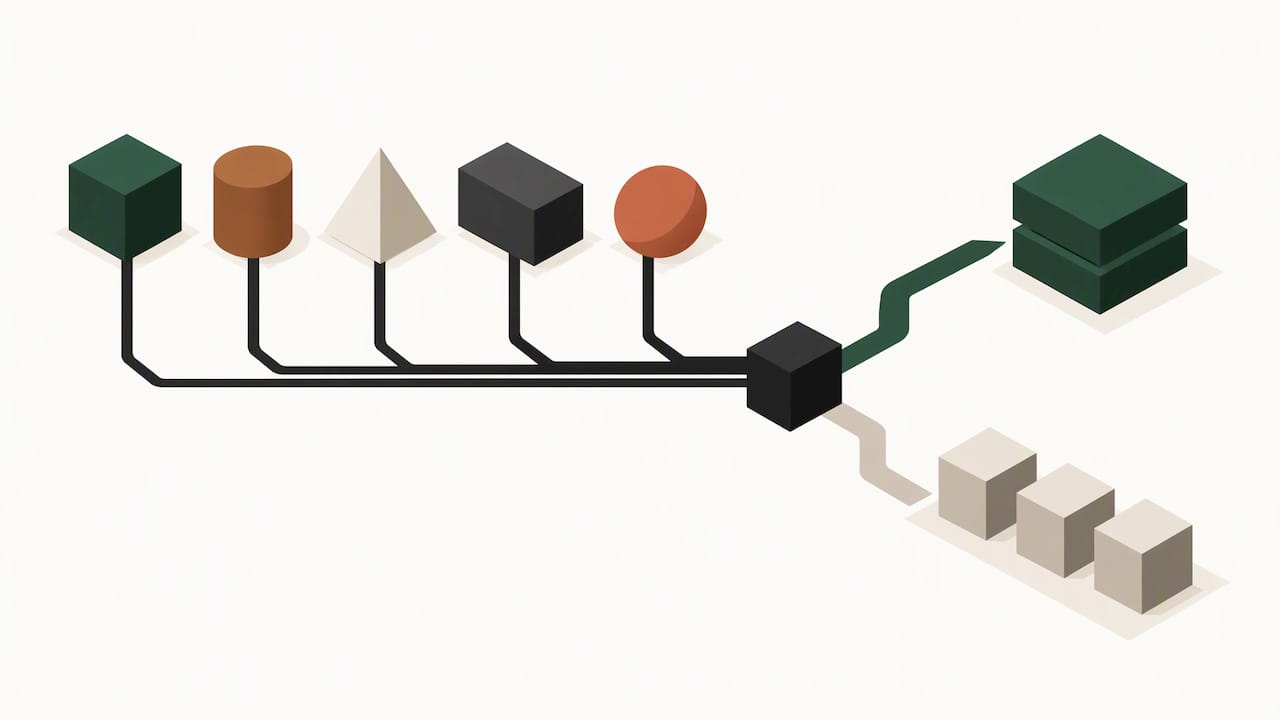
- Contracts: design-build puts you under one contract with a single entity; design-bid-build means separate contracts with a designer and a builder.
- Contractor involvement: in design-build, the contractor joins during design; in design-bid-build, the contractor arrives only after design is complete.
- Selection method: design-build often selects on qualifications or best value; design-bid-build commonly selects on low bid or total cost,according to a [primer on project delivery terms].
- Pricing: design-build price may be set early (best-value) or progressively (progressive DB); design-bid-build price is fixed only after bidding closes.
- Risk: design-build shifts coordination risk to the single entity; design-bid-build leaves the owner holding the gap between design intent and construction reality.
- Variants: progressive design-build and best-value design-build are common inside the design-build category,distinguished mainly by [when price gets fixed].
Change orders tend to surface in different places too: design-bid-build disputes often trace back to design gaps discovered mid-construction, while design-build disputes more often involve scope creep against vague performance requirements.
How design-bid-build works: phases, responsibilities, and pitfalls
Design-bid-build runs in three linear stages, and you carry distinct responsibilities at each one.
- Design phase: you hire a designer to produce complete construction documents before anything goes to bid.
- Bidding phase: you release those documents to contractors through open or select bidding, and award typically goes to the lowest responsible bidder,as described in the AIA's [primer on delivery terms].
- Construction phase: the contractor builds to the documents, and any gap between drawings and field conditions becomes a change order.
Cost growth in design-bid-build usually appears when design documents were incomplete at bid time, forcing the contractor to issue change orders once real conditions emerge. This method suits you best when your scope is well-defined, when public procurement rules require competitive bidding, or when you want direct control over design before committing to a builder.
How design-build works: overlapping phases and owner oversight
Design-build collapses design and construction into one relationship, with a single entity carrying both responsibilities under one contract.
- Continuous process: design and construction overlap instead of running in sequence, which is the main reason design-build projects move faster.
- Procurement variants: best-value design-build evaluates design and price together after qualifications screening, while progressive design-build selects on qualifications first and negotiates price as design develops,per [DBIA's explanation of these variants].
- Owner role: your job shifts from reviewing finished drawings to writing performance specifications, setting approval gates, and defining allowances up front.
- Best fit: tight schedules, projects that benefit from early constructability input, and complex builds where design and construction teams need to solve problems together.
The single-contract structure does not remove the need for detail. According to DBIA's owner guidance, success depends on how clearly you define performance requirements and approval milestones, not just on signing one contract instead of two.
Weighing the pros and cons of each method
Design-build's biggest advantage, according to academic meta-analysis, is delivery speed, with other performance measures like cost growth showing mixed results across studies. Design-bid-build's main strength is the opposite: it gives you a finished design to review and a transparent bidding process to compare offers.
- Design-build gains: faster delivery, integrated problem-solving between designer and builder, and fewer claims when performance requirements are clear.
- Design-build risks: weak or vague requests for proposals that leave performance requirements undefined, inviting disputes later.
- Design-bid-build gains: full design control before bidding, document-based price comparison, and clear accountability for design errors.
- Design-bid-build risks: underfunded contingencies and incomplete design documents that trigger cost growth once construction starts.
CII and DBIA benchmarking finds design-build projects are generally faster and show lower schedule growth than design-bid-build, though the gap has narrowed for some performance measures over time. That finding should inform your decision, not replace your own scope and capacity assessment.
How to choose: five factors and a decision checklist
Pick a method by scoring your project against five factors, not by instinct or habit.
- Completion date: a hard deadline favors design-build's overlapping phases.
- Design maturity: a fully resolved scope favors design-bid-build's document-based bidding.
- Coordination capacity: limited staff time to manage two separate contracts favors design-build's single point of responsibility.
- Desired design control: wanting to approve every detail before construction favors design-bid-build.
- Selection comfort: willingness to choose a team on qualifications rather than lowest price favors design-build.
Once you lean toward design-build, choose the variant that matches your design readiness: progressive design-build when you want to shape design before fixing price, best-value design-build when you can define enough scope at the outset to evaluate design and price together, per DBIA's variant comparison.
Pro Tip: Score each factor as high, medium, or low; three or more "high" scores favoring speed and single-point responsibility is a strong signal toward design-build.
Contract and checklist items owners should never skip
Regardless of method, certain contract items determine whether the delivery structure actually protects you.
- Performance requirements: written specifications a design-builder or designer must meet, not just a vague scope description.
- Approval milestones: defined points where you sign off before work proceeds further.
- Allowances and contingencies: dollar figures set aside for unresolved selections and unforeseen conditions.
- Change procedures: a clear process for pricing and approving scope changes.
- Dispute resolution: a named mechanism, whether mediation, arbitration, or another path.
| Document to request | Why it matters |
|---|---|
| Sample project schedule | Shows realistic phasing and milestone pacing |
| Team resumes | Confirms who actually works on your project |
| Owner references | Verifies past performance on comparable work |
| Constructability review report | Flags conflicts between design intent and buildable reality |
The AIA's teaming checklist lists IP ownership, QA/QC procedures, and contingency management as common sources of disputes when left undefined. For hospitality and commercial work, we find that execution drawings and documented site follow-up are what actually keep these contract terms enforceable once construction starts.
What integrated teams get right, and where owners stumble
On hospitality projects, we have seen integrated design and construction teams catch a constructability conflict during early drawings, saving weeks of rework later. The caution we would add: an integrated process only works if you are prepared to make decisions quickly and define your performance requirements before asking a team to start.
— slava
How we support owners choosing an integrated path
Clarity before procurement makes any delivery method work better,and that is where our [preliminary design] service fits: we help you define scope, intent, and performance requirements before you approach contractors.
Once scope is set,our [3D interior visualization] work lets you and your selection team compare proposals against a realistic model instead of guessing from drawings alone. For construction reliability under either delivery method,our [execution drawings] translate design intent into documents a contractor can actually build from,and our [site and supplier follow-up] keeps materials and installation aligned with the original design through completion. If you are weighing delivery methods for a hospitality or commercial space,reach out through our [services page] to start with a preliminary design conversation.
FAQ
What are the disadvantages of design-bid-build?
Design-bid-build separates design and construction into two contracts, which means the contractor has no input during design and cost growth often appears once construction reveals gaps between drawings and field conditions. It also tends to take longer overall since bidding cannot start until design documents are complete.
Is design-build cheaper than design-bid-build?
Cost outcomes vary by study and project type, but research on project delivery performance shows design-build projects are generally faster and have lower schedule growth, with cost findings less consistent across studies. Faster delivery can reduce carrying costs, but design-build is not guaranteed to be cheaper in every case.
What are the three types of bids?
Common bidding approaches include open bidding, where any qualified contractor may submit a proposal, select or invited bidding, limited to a pre-screened list, and negotiated bidding, where the owner negotiates terms directly with a chosen contractor rather than comparing multiple offers.
What does "design-bid-build" mean?
Design-bid-build is the traditional delivery method where a designer completes construction documents first, the owner then solicits competitive bids from contractors, and construction begins only after a contractor is selected, according to AIA's primer on delivery terms.
Recommended
- [Preliminary Design Services]
- [Hospitality Interior Execution Drawing Services]