How do you start designing a space — before the brief is set, before the references are pulled?
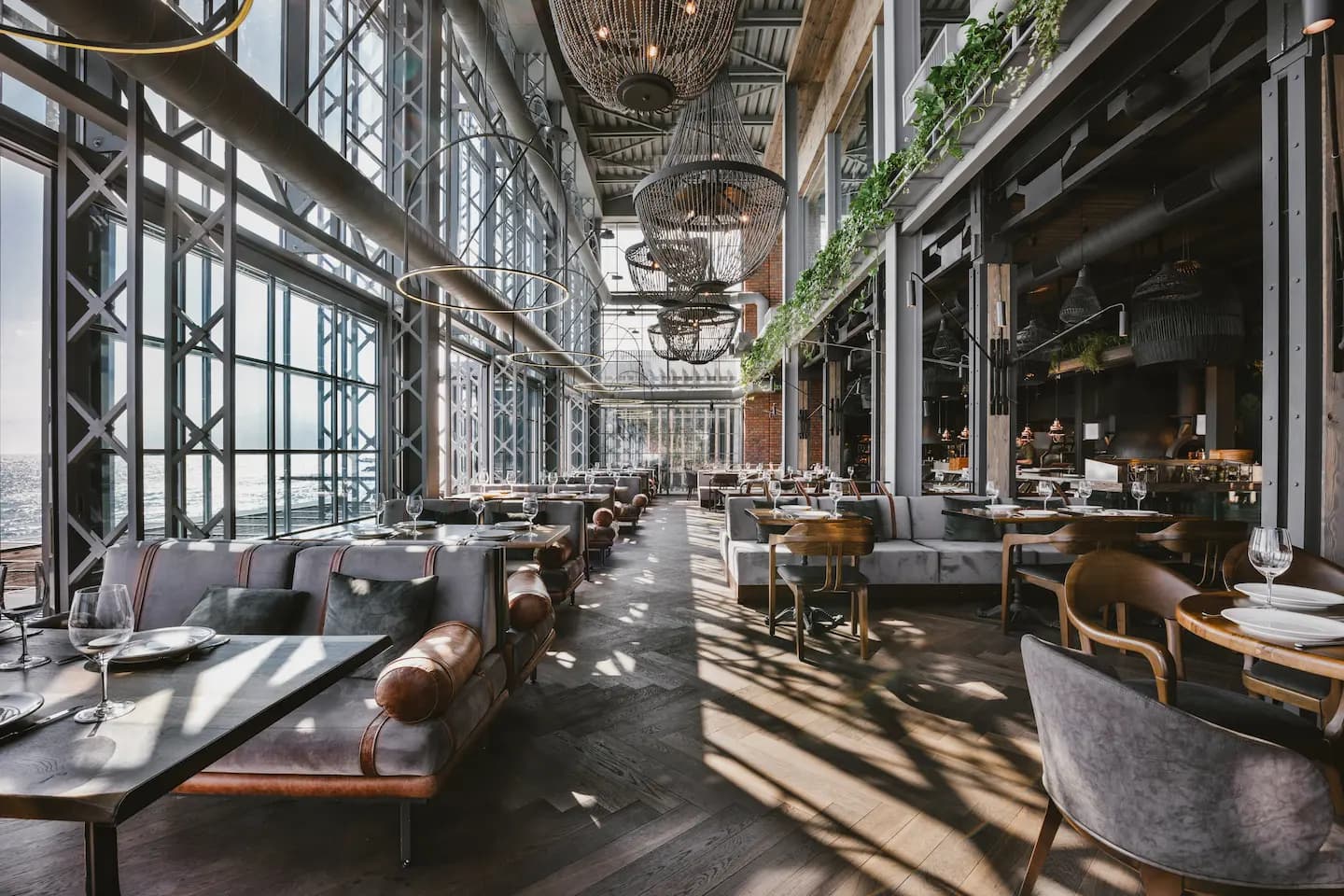
How We Start. Three Tools for the First Stage of Design.
Every designer has their own way of beginning. Not all approaches work for everyone — but over years of designing commercial interiors, I've settled on three core methods that consistently work for me and my team at Boom Project.
- The Theatrical Approach
We build the interior like a stage set. Guests move through a series of experiences — they become participants in a performance, immersed in a storyline, almost watching a show unfold around them.
It's a powerful experience. But there's a catch: the script is always the same. Once you've seen the show, you've seen it. That's why this approach works best for venues with high tourist traffic — places where the audience is always new. - Concept-First Design
Here we start with a single core idea — flexible enough to carry everything else: the waitstaff persona, the brand legend, the guest experience, the menu logic.
One of my favorite examples: a project we did together with Guides Agency in Kyiv — Sinner. We invented 12 characters, each embodying one of the deadly sins. Guests could identify with any of them — and based on that, we could suggest cocktails or dishes they'd most likely enjoy. Personalization through concept.
The concept doesn't need to be complex. It just needs to be strong enough to hold the whole world of the place together. - Product-First Design
Sometimes the product itself is so expressive, so complete, that adding layers on top of it only gets in the way.
In that case, our job is to accompany the product — to frame it, not compete with it. A good example: JP Pancakes, a Japanese soufflé pancake spot. The product was the star. The interior just needed to wrap it beautifully, without introducing its own narrative.
Beyond these three:
I've read about other approaches — how Dalí would pull images from the edge of sleep and waking. How some architects close their eyes and doodle, letting the subconscious draw the first lines of a building.
Fascinating. But honestly? I'm skeptical — at least when it comes to commercial interiors. Whether that kind of intuitive, unrepeatable process can translate into a functioning space for real guests and real business... I don't know yet.
Maybe it can. Maybe some of you have tried it.
What's your first move when you start a new project? I'd love to hear how other designers and architects approach that very first stage — before the brief is fully formed, before the references are pulled. Just the raw beginning.